Finishing your first 5K changes what feels possible. The obvious next step is 10K, and for most new runners it is a good one: twice the distance, but reached the same way, slowly and mostly at an easy pace.
If you have not done the 5K yet, start with how to train for your first 5K. If you have a heart condition, an injury, or anything that makes you unsure, talk to a doctor before you add distance.
Is 10K the right next goal?
10K is a good next goal if you can run 30 minutes at an easy pace without stopping, three times a week, and your legs recover between runs. If 5K still feels like a fight every time, spend a few more weeks running it comfortably first. A 10K plan built on a shaky 5K is an easy way to get injured.
There are other good next goals. Running 5K faster, or running it more often, are both fine choices. Pick 10K if the distance itself is what you want.
Add distance slowly
Your heart and lungs adapt faster than your tendons and joints. That is why new runners often feel fit enough to run further than their legs can handle.
A common rule of thumb is to raise your total weekly distance by no more than about 10 percent from one week to the next. Every third or fourth week, run a little less than the week before so your body can catch up. If a week leaves you sore for days, repeat it instead of moving on.
A sample 8-week shape
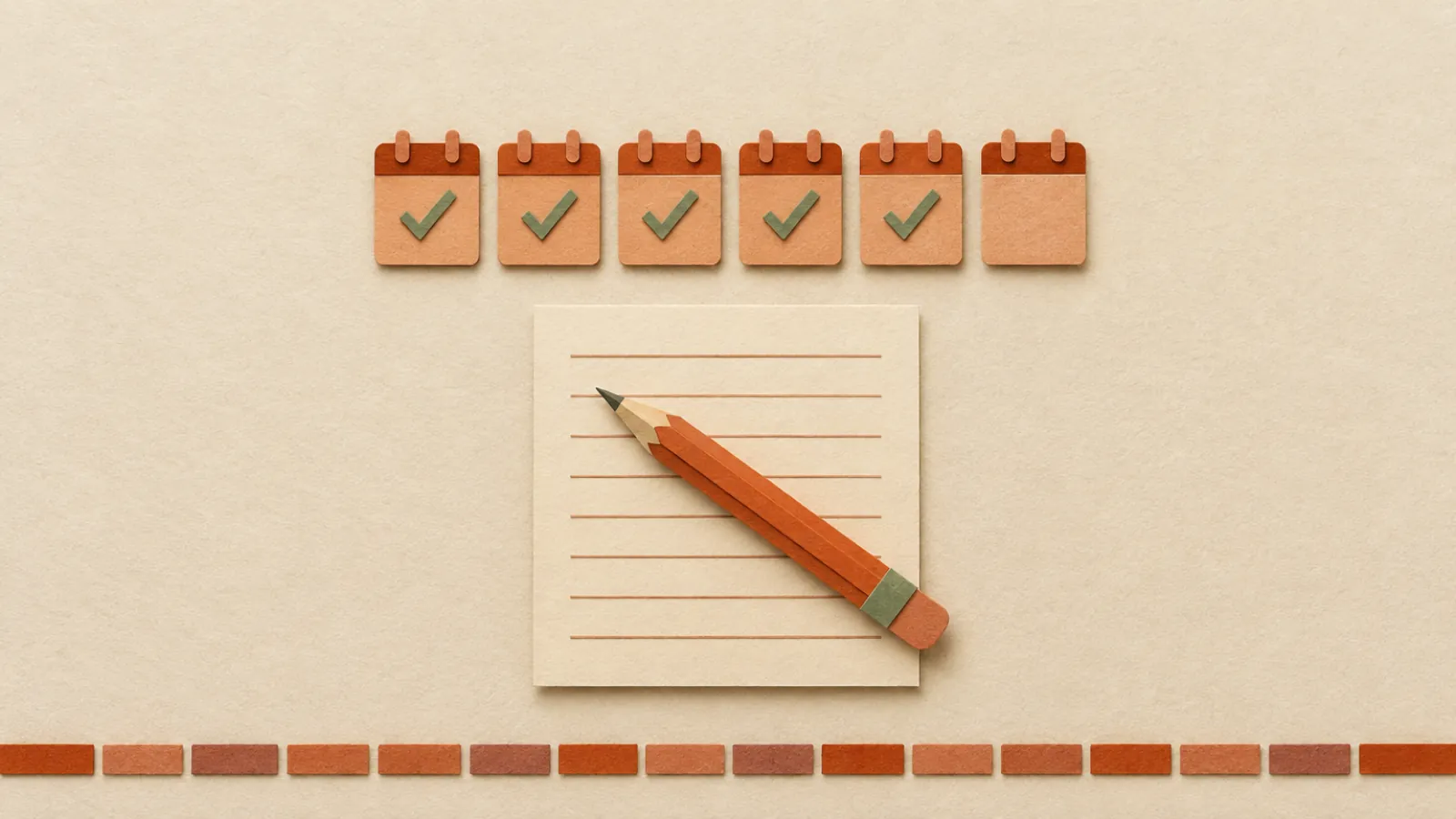
Keep three runs a week with a rest day between each. One of them, usually at the weekend, is your long run, and that is the run that grows towards 10K.
- Weeks 1 and 2: two easy runs of 30 minutes, long run of 5 to 6 kilometres.
- Weeks 3 and 4: two easy runs of 30 to 35 minutes, long run of 6 to 7 kilometres.
- Week 5: an easier week. Two easy runs of 30 minutes, long run of 6 kilometres.
- Weeks 6 and 7: two easy runs of 35 to 40 minutes, long run of 8, then 9 kilometres.
- Week 8: race week (below).
If you need longer, stretch any block over three weeks. Ten or twelve weeks to 10K is a perfectly good plan.
Easy runs, one harder session, rest
Most of your running should be easy: a pace where you could still talk in short sentences. It feels too slow at first. That is normal, and it is what lets you run further without breaking down.
Once you are comfortable, from about week 3, you can make one of the two shorter runs a little harder. Keep it simple: after a 10-minute warm-up, run 4 to 6 short stretches of 1 to 2 minutes at a pace that is hard but controlled, with easy jogging in between. One harder session a week is enough. Two is how new runners get hurt.
Rest days are part of training. Walking, cycling or stretching on them is fine.
Race week
You do not get fitter in the last week, but you can arrive tired. Cut the week back: two short easy runs early in the week, a rest day before the race, and nothing new. No new shoes, no new breakfast.
On the day, start slower than feels right for the first two kilometres. Starting too fast costs far more in the second half than starting too slow ever does.
When a week goes badly
You will miss runs. Carry on if it was one session. If you missed a whole week, repeat the last week you completed. Pain that gets worse while running, or is still there the next day, means stop and rest. Tiredness is normal; sharp or joint pain is not.
A quick check before you start
- Can you run 5K, or 30 minutes, comfortably at an easy pace?
- Does your plan add distance slowly, with an easier week every few weeks?
- Is only one session a week harder than easy?
- Is there a rest day between every run?
- Does race week ask for less, not more?